
Wellington, Western Cape: What Makes This Winelands Town Worth Visiting?
Set between the Hawequa and Limietberg mountains, Wellington, Western Cape, offers a quieter side of the Cape Winelands. Surrounded by vineyards, farmland, and dramatic mountain scenery, the town brings together centuries of agricultural heritage, winemaking traditions, and historic Cape architecture.
For visitors looking beyond the busier Winelands destinations, Wellington, South Africa offers plenty to explore at a more relaxed pace. From wine farms and heritage sites to scenic mountain drives and outdoor adventures, it is a destination where the landscape, history and local character are all part of the experience.
Why Visit Wellington?
Wellington is worth visiting if you want to experience the Cape Winelands at a more relaxed pace. The town combines historic wine farms, mountain scenery, outdoor activities and a strong agricultural heritage, with highlights including Bainskloof Pass, local hiking and mountain biking trails, heritage attractions and the James Sedgwick Distillery.
It is particularly well suited to visitors who want more than a traditional wine-tasting day. You can combine wine, food, history and time outdoors without having to travel far between experiences, making Wellington a good choice for both a day trip from Cape Town and a longer Winelands stay.
What Is Wellington Known For?
Wellington is best known for its wine, vine nurseries, agricultural heritage and spectacular mountain scenery. The town plays an important role in South Africa’s wine industry, with more than 80 per cent of the country’s vineyards planted from vines that are grafted in Wellington. This behind-the-scenes role makes Wellington, Western Cape an important part of the wider wine industry, even beyond the vineyards visitors see.
The town is also known for its Cape Dutch architecture and Huguenot heritage, while Bainskloof Pass provides a dramatic gateway into the surrounding mountains. Agriculture remains central to Wellington’s identity, with vineyards and working farms woven into the landscape.

Compared with some of the Cape Winelands’ better-known destinations, Wellington has a quieter, more local character. Historic buildings, wine farms, restaurants and open landscapes come together to create a town that feels distinctly rooted in its surroundings.
The area’s history also adds depth to its wine culture. Generations of farming families have shaped the vineyards and surrounding landscape, with some estates tracing their roots back centuries.
What To Do in Wellington, Western Cape
There are plenty of things to do in Wellington, South Africa, from visiting wine farms and exploring the mountains to discovering local food, history and family-friendly attractions. If you are only visiting for the day, it is easy to combine a few different experiences without spending most of your time travelling between them.
Go Wine Tasting
Wine tasting is an obvious part of a visit to Wellington, with estates ranging from long-established family farms to more contemporary tasting destinations. A visit can include a traditional tasting, time in the cellar or simply an afternoon enjoying the farm and surrounding vineyard landscape. Bosman Family Vineyards offers tastings at Lelienfontein, where the Bosman family has farmed in Wellington since 1810.

Get Outdoors
Wellington’s mountains and farmland make it a good base for hiking, mountain biking and other outdoor activities. Bainskloof and the Limietberg Nature Reserve provide access to mountain trails, streams and rock pools, while Welvanpas is known for trails through vineyards, farmland and fynbos. Conditions can vary considerably with the season, so it is worth checking trail access and permit requirements before setting out.

Explore Wellington’s Heritage and Culture
The town’s history is visible in its older buildings, churches and cultural landmarks. Wellington Museum provides an introduction to the area’s past, while the historic centre reflects the farming, religious and educational communities that helped shape the town. The Breytenbach Centre adds another side to Wellington’s cultural life through its connection to art, literature and the local community.
Enjoy Local Food and Produce
Wellington’s food scene is closely tied to the farms and producers around it. Cole The Eatery uses fresh and organic ingredients sourced from local farmers, while Zomerlust offers a more intimate dining experience centred on produce from Wellington and hosts a market day on selected Friday afternoons during summer.

Villamar Restaurant & Coffee Roastery is another worthwhile stop for locally made food, with freshly roasted coffee, breads and pastries, fresh pasta, cured meats and preserves produced on site. Together, these smaller restaurants and producers offer a good way to experience Wellington beyond its wine farms.
Find Family-Friendly Things to Do
Wellington has a few attractions that are particularly well suited to younger visitors. At Quenti Alpaca & Mill, families can meet the alpacas and learn how their fleece is processed into yarn, with farm and mill tours available at selected times or by arrangement. Wildlife-loving children can also visit Bontebok Ridge Reserve for the chance to see animals in a natural farm setting.
For an easier family stop, some of Wellington’s restaurants and farm venues have outdoor space where children can play, making it possible to combine lunch with time outside.
A Brief History of Wellington
The history of Wellington, Western Cape stretches back long before the town itself was established. The wider valley was inhabited by San and Khoikhoi communities before European settlement changed the landscape and introduced new farming communities to the Cape.
French Huguenots arrived at the Cape from the late 17th century, with many settling in the Winelands and contributing to the region’s agricultural and viticultural traditions. The valley later became known as Wagenmakersvallei, named after the wagon makers who worked in the area.
The settlement was renamed Wellington in honour of the Duke of Wellington and was formally established as a town in 1840. Agriculture remained central to its development, while the opening of Bainskloof Pass in 1853 created a more direct route through the mountains and strengthened Wellington’s connection with the interior.

Education and religion also became important parts of the town’s story. South African minister and educationist Andrew Murray moved to Wellington in 1871 and played an important role in developing the town as a centre for Christian education. He was closely involved in establishing the Huguenot Seminary for girls and founded an institute for missionary training in Wellington in 1877.
That history is still visible around Wellington today. The town centre contains historic churches and older Cape and Victorian buildings, while Wellington Museum and the town’s heritage route provide more context for visitors who want to explore its past on foot.
Planning Your Visit to Wellington
Wellington is easy to visit from Cape Town, but a little planning will help you make more of your time in the valley. How long you stay, the season you visit and whether you have your own transport can all shape the kind of trip you have, particularly if you want to combine wine farms, outdoor activities and time in town.

Getting to Wellington from Cape Town
The Cape Town to Wellington drive is around 75 km and generally takes about an hour to an hour and a half, depending on where in Cape Town you start and traffic conditions. The usual route follows the N1 towards Paarl before continuing onto the R44 towards Wellington.
Can You Visit Wellington as a Day Trip?
Yes. Wellington is close enough to Cape Town for a day trip, particularly if you choose a few experiences rather than trying to see everything at once. A wine tasting, lunch and one other activity, such as exploring the town centre or heading towards Bainskloof, can comfortably fill a day.
If you want to visit several wine farms, spend time hiking or explore the surrounding valley at a slower pace, staying for one or two nights gives you much more flexibility.
When Is the Best Time to Visit Wellington?
There is no single best season to visit Wellington because the experience changes throughout the year.
- Spring (September to November): A good time for outdoor activities, with milder weather and fresh growth across the valley.
- Summer (December to February): Warm, dry days suit wine tasting and farm visits, but Wellington can become very hot, particularly during the middle of the day.
- Autumn (March to May): Generally pleasant for exploring outdoors, with harvest season adding another dimension to the surrounding Winelands.
- Winter (June to August): Cooler and wetter, with greener countryside and a quieter atmosphere around the wine farms and mountains.
If hiking and other outdoor activities are a priority, spring and autumn tend to offer more comfortable conditions than the height of summer.
Getting Around Wellington
Having your own car is the easiest way to explore Wellington. Wine farms, restaurants, accommodation and outdoor attractions are spread across the town and surrounding valley, so relying on walking alone will limit what you can see.
A car also gives you the flexibility to combine the town centre with farms, Bainskloof and other attractions further out during the same visit. If you plan to include wine tasting, arrange a designated driver or suitable transport for the day.
Where to Stay in Wellington
Wellington has accommodation for different types of trips, from central guesthouses to cottages and stays among the vineyards and mountains. Some options to consider include:
- For a wine-farm stay: Vineyard Cottage at Bosman Wines puts you among the vineyards at Bosman Family Vineyards, with mountain views and the tasting room within walking distance.
- For a country escape: Dunstone Country Estate offers guest accommodation surrounded by vineyards and orchards in the Bovlei.
- For a guesthouse: Wellington Country House is close to the centre of town, with views across the surrounding orchards, vineyards and mountains.
- For a boutique hotel: Doolhof Boutique Hotel combines a historic Cape Dutch setting with accommodation on a working wine estate below Bainskloof Pass.
- For self-catering: Casa Simelia offers a private farm stay at the foot of the Groenberg, with space for up to four guests.
- For a mountain setting: The Little Farm on a Stream sits on the slopes of the Hawequa Mountains, with hiking, cycling and plenty of space to enjoy the outdoors.
Visit Bosman Family Vineyards in Wellington
For visitors wanting to experience Wellington’s wine heritage first-hand, Bosman Family Vineyards offers the chance to explore a working wine estate with deep roots in the region. The Bosman family’s connection to Wellington spans generations, with the family farming in the Bovlei of Wellington since 1810 and Lelienfontein remaining part of the family’s long-standing wine-growing heritage.
That long history adds another layer to a visit beyond wine tasting. The vineyards form part of the agricultural landscape that has shaped Wellington for centuries, offering visitors a closer look at the connection between the town, its farms and South Africa’s wine industry.
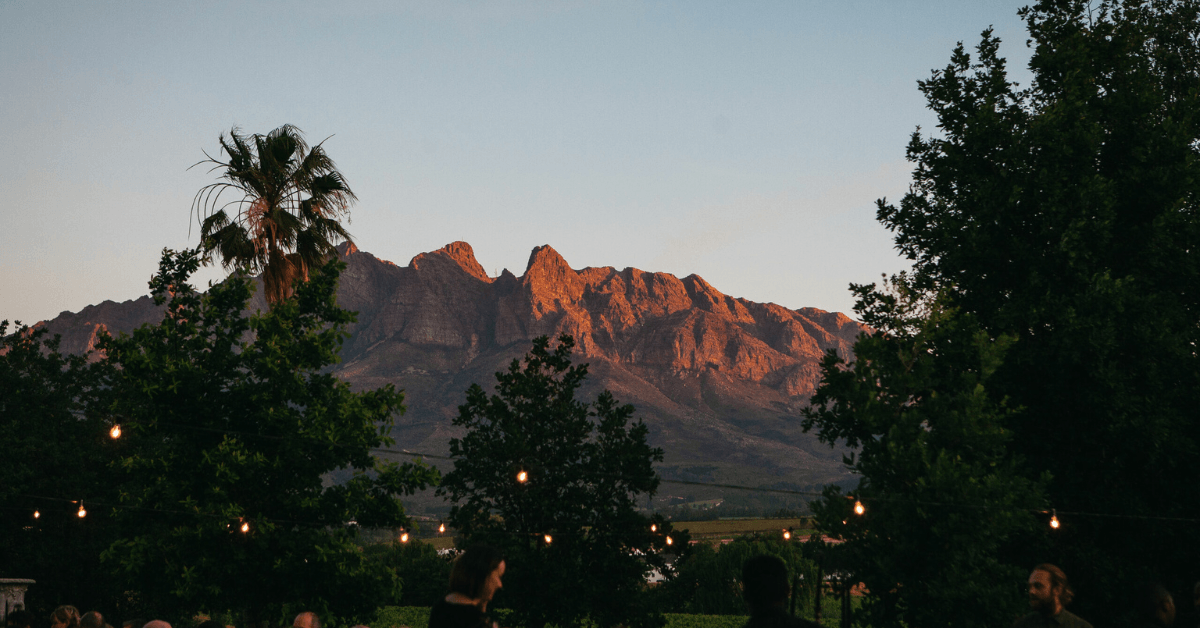
Whether you visit to taste the wines, buy the wines, explore the estate or simply experience the landscape, Bosman provides a tangible connection to the history and winemaking traditions of Wellington, Western Cape.
Frequently Asked Questions About Wellington, Western Cape
Where is Wellington, Western Cape?
Wellington, South Africa is in the Cape Winelands of the Western Cape, around 75 km north-east of Cape Town and close to Paarl. The town is surrounded by vineyards, farmland and mountains, with Bainskloof Pass leading from Wellington towards the interior.
How far is Wellington from Cape Town and how long does the drive take?
Wellington is approximately 75 km from Cape Town. The drive generally takes around an hour to an hour and a half, depending on where you start in Cape Town and traffic conditions. The usual route follows the N1 towards Paarl before continuing onto the R44 towards Wellington.
Is Wellington good for families?
Yes. Wellington has several attractions that work well for families alongside its wine farms. Children can meet alpacas at Quenti Alpaca & Mill, see wildlife at Bontebok Ridge Reserve or enjoy outdoor activities and open spaces around the valley. There are also family-friendly places to eat, making it possible to plan a day that works for both children and adults.
How much do hotels in Wellington, Western Cape cost?
Hotels in Wellington generally cost around R1,500 to R4,000 per night for a room for two people, although rates can be lower during promotions and higher for luxury suites. Prices vary depending on the property, room type and season. Wellington has relatively few conventional hotels, with much of the area’s accommodation made up of guest houses, wine-estate stays and self-catering properties.
Are guest houses in Wellington, Western Cape cheaper than hotels?
Guest houses are often cheaper than boutique hotels, but not always. Smaller guesthouses and B&Bs can offer better-value rooms, while luxury guest houses on wine estates may cost as much as, or more than, some hotels. Check whether breakfast is included when comparing prices.
Where can you find self-catering accommodation in Wellington, Western Cape?
Self-catering accommodation in Wellington is widely listed on platforms such as LekkeSlaap, Airbnb and Booking.com, as well as directly through local farms and accommodation providers. Options range from small cottages for couples to larger farm stays and houses suited to families or groups, so it is worth comparing the number of guests, location and minimum-stay requirements.